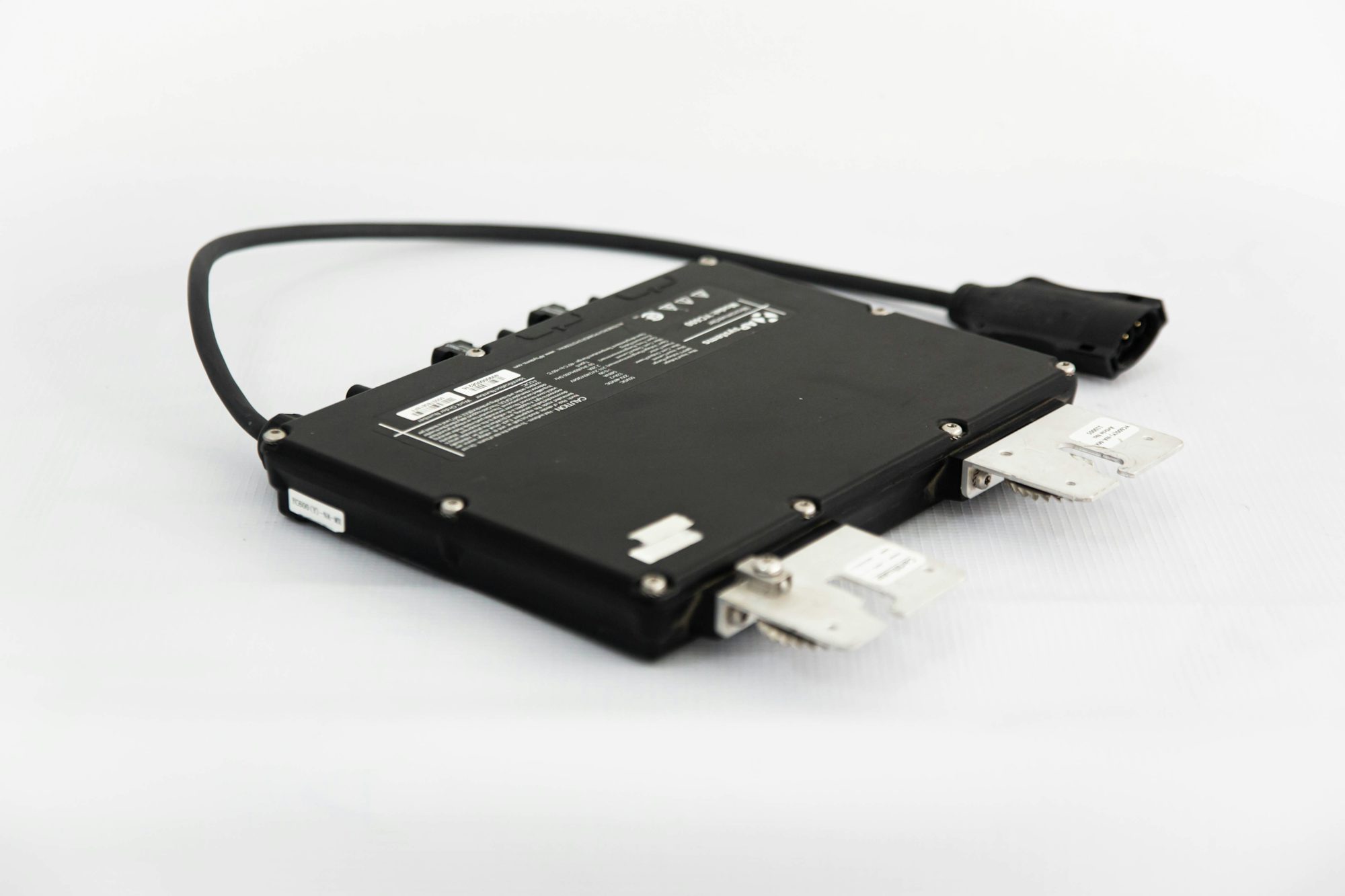
The Evolution of Electronic Components: A Journey Through Innovation
This article delves into the evolution of electronic components, examining key innovations and their impact on technology.The Foundation: Early Electronic Components
The early days of electronics were marked by the invention of fundamental components that laid the groundwork for more complex devices. Vacuum tubes, for example, were among the first electronic components used for amplification and switching. Although large and inefficient by today’s standards, these tubes were pivotal in the development of early radios and televisions. However, their limitations in size and power consumption led to the quest for smaller, more efficient alternatives.
The Rise of Semiconductors
The advent of semiconductor technology in the mid-20th century marked a significant turning point in the evolution of electronic components. Semiconductors, materials that have electrical conductivity between that of conductors and insulators, made it possible to create smaller, more efficient devices. The invention of the transistor in 1947 was a breakthrough moment. Transistors replaced vacuum tubes, providing a compact solution for amplification and switching. Their reliability and energy efficiency opened the door to a new era of electronics, paving the way for modern computing and communication technologies.
Diodes: A Key Development
Alongside transistors, diodes emerged as crucial semiconductor devices. By allowing current to flow in only one direction, diodes played a significant role in rectification, which is essential for converting AC to DC. This capability made them vital in power supply circuits and numerous other applications. Zener diodes, a special type of diode, became instrumental in voltage regulation, further enhancing the reliability of electronic devices. The integration of diodes into circuits simplified designs and contributed to the miniaturization of technology.
Integrated Circuits: The Game Changer
The development of integrated circuits (ICs) in the late 1950s transformed the landscape of electronics. By consolidating multiple transistors and other components onto a single chip, ICs significantly reduced the size and cost of electronic devices while enhancing performance. This innovation led to the proliferation of consumer electronics, making devices like calculators, radios, and televisions more accessible to the public.
Microprocessors: The Brain Behind Computing
Microprocessors represent one of the most significant advancements in integrated circuit technology. As the central processing unit (CPU) of computers, microprocessors execute instructions and process data at incredible speeds. The introduction of microprocessors in the 1970s sparked the personal computer revolution, allowing individuals to harness computing power that was once limited to large organizations. This democratization of technology opened up new possibilities for education, business, and entertainment.
Microcontrollers: Powering Embedded Systems
Microcontrollers are another crucial advancement in the realm of integrated circuits. These compact chips combine a CPU, memory, and input/output peripherals on a single chip, making them ideal for embedded systems. From household appliances to automotive control systems, microcontrollers enable devices to perform specific tasks efficiently. Their versatility and low power consumption have made them indispensable in the era of the Internet of Things (IoT), where connectivity and automation are key drivers of innovation.
Passive Components: The Unsung Heroes
While active components like transistors and microprocessors often receive the spotlight, passive components play a vital role in ensuring the smooth operation of electronic circuits. Resistors, capacitors, and inductors are essential for controlling voltage, storing energy, and filtering signals.
Resistors: Regulating Current Flow
Resistors are fundamental components that limit the flow of electric current in a circuit. By introducing resistance, they help maintain appropriate voltage levels and protect sensitive components. Resistors come in various types, including fixed, variable, and specialized forms such as thermistors and photoresistors. Each type serves specific functions, enabling designers to create circuits that meet precise performance requirements.
Capacitors: Energy Storage and Filtering
Capacitors are devices that store electrical energy temporarily and release it when needed. They are widely used in power supply circuits to smooth out voltage fluctuations and provide stable output. Capacitors also play a crucial role in filtering applications, allowing certain frequencies to pass while blocking others. Their ability to stabilize voltage levels makes them vital in audio equipment, where they help eliminate noise and enhance sound quality.
Inductors: Magnetic Energy Storage
Inductors are components that store energy in a magnetic field when current flows through them. They are commonly used in filtering applications, particularly in power supplies and RF circuits. Inductors help regulate current flow and maintain stability in electronic systems, making them essential for reliable operation in various devices.
Printed Circuit Boards: The Framework of Electronics
Printed circuit boards (PCBs) are the backbone of electronic devices, providing a platform for connecting and integrating components. The design and manufacturing of PCBs have advanced significantly, enabling the creation of complex, multi-layered boards that accommodate a vast array of components.
The Design Process
The PCB design process involves careful planning and layout to ensure proper connections and prevent interference between components. Advanced software tools allow engineers to create intricate designs that maximize space and performance. Innovations in PCB materials, such as flexible and high-frequency substrates, have expanded the possibilities for modern electronics, enabling the development of compact and high-performance devices.
The Role of PCBs in Modern Technology
PCBs are essential for the functioning of virtually all electronic devices, from simple gadgets to sophisticated systems. They facilitate communication between components, ensuring that signals flow smoothly and efficiently. As technology continues to advance, the demand for high-quality, reliable PCBs remains paramount, driving innovation in manufacturing techniques and materials.
Power Supplies and Converters: Ensuring Efficient Energy Use
Power supplies and converters are critical for providing stable electrical energy to electronic devices. As technology has progressed, the need for efficient power management has become increasingly important.
Transformers: Adapting Voltage Levels
Transformers are devices that step up or step down voltage levels in electrical circuits. They play a vital role in power distribution, enabling electricity to be transmitted over long distances. By converting voltage levels, transformers ensure that devices receive the appropriate power for optimal operation. Innovations in transformer design, such as toroidal and high-efficiency transformers, have improved energy efficiency and reduced losses in power systems.
AC/DC Converters: Bridging Energy Types
AC/DC converters are essential for converting alternating current (AC) to direct current (DC) and vice versa. Many electronic devices require DC power for operation, making these converters crucial for ensuring compatibility. The development of more efficient and compact converters has facilitated the proliferation of portable electronic devices, allowing users to charge and power their gadgets seamlessly.
Sensors and Detectors: Enhancing Interaction with Technology
Sensors and detectors have become integral to modern electronic systems, enabling devices to perceive their environment and respond accordingly. These components enhance user interaction and automation, making technology more intuitive and responsive.
Temperature and Proximity Sensors
Temperature sensors measure thermal conditions and convert them into electrical signals, allowing devices to monitor and regulate temperature effectively. Proximity sensors detect the presence of nearby objects, playing a vital role in applications ranging from smartphones to security systems. These sensors contribute to the convenience and safety of electronic devices, making them indispensable in everyday life.
Displays and Optoelectronics: Visual Communication
Displays and optoelectronic devices are crucial for conveying information and facilitating interaction between users and electronic systems.
LEDs and LCDs: The Visual Frontier
Light Emitting Diodes (LEDs) have revolutionized lighting and display technology. Their energy efficiency and longevity have made them the preferred choice for various applications, including screens and indicators. Liquid Crystal Displays (LCDs) are widely used in monitors and TVs, providing high-resolution visuals with low power consumption. Together, these technologies have transformed the way we experience visual content, enhancing everything from entertainment to communication.
Communication and Networking Devices: Connecting the Digital World
In an increasingly interconnected world, communication and networking devices play a pivotal role in enabling data exchange and connectivity. Modems, routers, and wireless transmitters are essential components that facilitate communication between devices.
The Importance of Modems and Routers
Modems convert digital signals from computers into analog signals suitable for transmission, while routers manage data traffic between devices on a network. These components are critical for ensuring seamless connectivity, enabling users to access the internet and communicate effectively. As technology advances, the demand for faster and more efficient networking solutions continues to grow, driving innovations in communication technologies.
Wireless Communication: The Future of Connectivity
Wireless transmitters and receivers have become integral to modern communication systems. Technologies like Wi-Fi, Bluetooth, and cellular networks allow devices to connect without physical cables, enabling seamless data exchange. The proliferation of wireless technology has transformed how we interact with the digital world, enhancing convenience and accessibility.
Conclusion
The evolution of electronic components has been a journey marked by innovation, adaptation, and integration. From the early days of vacuum tubes to the sophisticated microcontrollers and communication devices of today, each advancement has contributed to the complex tapestry of modern technology. As we look to the future, the continued development of electronic components will play a crucial role in shaping our digital landscape, paving the way for new applications and enhanced user experiences. Understanding the significance of these components is essential for anyone interested in the field of electronics and the endless possibilities it offers.